Meeting attached ADU requirements helps California homeowners expand their living space while staying compliant with state and local rules. These requirements affect size limits, setbacks, utilities, fire safety, permits, and legal use.
Building an attached ADU can feel confusing because city ordinances may change, but knowing the core rules early can help you avoid costly design delays. Reviewing what an ADU is also helps clarify how these legal secondary units can improve your property.
- What Is an Attached Accessory Dwelling Unit?
- Which Structural Layout Fits Your Property?
- What Are the Size Limits for an Attached ADU?
- How Do Property Line Setbacks Affect Your Build?
- Do Separate Utility Connections Apply to Your Project?
- What Are the Fire Safety and Building Code Standards
- Why Permits Matter Before Construction Starts
- Planning Your Attached ADU With Confidence
- Frequently Asked Questions
- What happens if I ignore attached ADU requirements?
- Do independent living spaces require a full kitchen?
- Can property owners rent attached ADUs short term?
- How do I legalize an older unpermitted addition?
- Will building an attached ADU increase property taxes?
What Is an Attached Accessory Dwelling Unit?
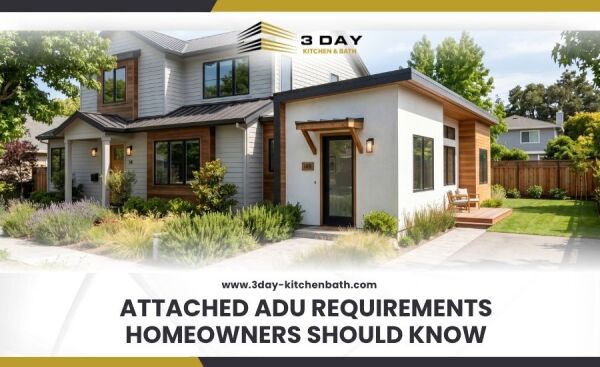
An attached accessory dwelling unit is a secondary residential space that shares at least one structural wall with the primary home. It must function as an independent living area with its own dedicated entrance.
This type of ADU can be a cost-effective way to add usable space because it may use parts of the existing home structure. Many homeowners choose this option for family housing, guest space, or long-term rental potential.
Common features include:
- A private exterior entrance door
- A dedicated kitchen space
- A full private bathroom
- Complete sleeping and living areas
Which Structural Layout Fits Your Property?
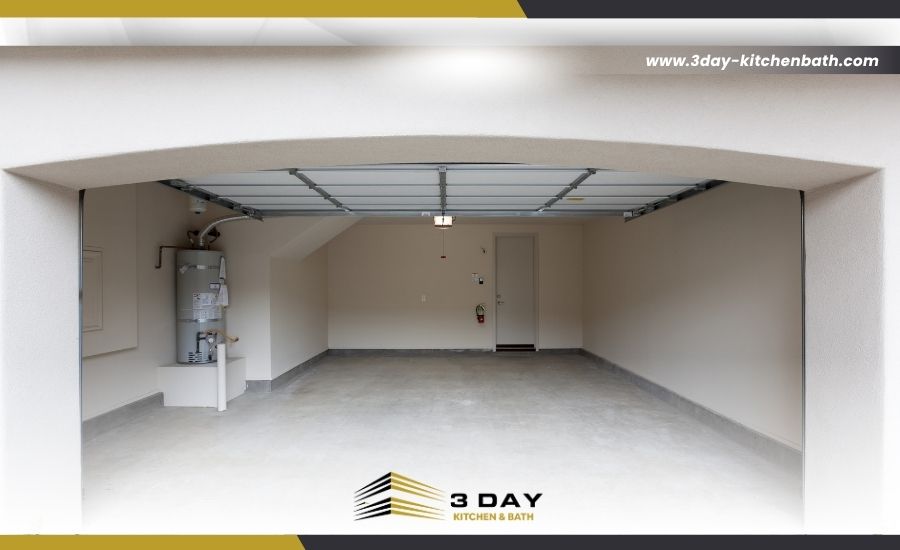
The right layout depends on your home's current floor plan, available space, budget, and local building rules. Some homes work better with conversions, while others need a new attached addition.
Reviewing the different types of ADUs can help you compare layout options before starting design work. Common attached ADU layouts include converting an existing garage, finishing a lower level, or building a side extension.
Popular layout options include:
- Garage conversions that turn an attached parking area into a livable unit
- Basement apartments with a private walkout entrance
- Side yard extensions that expand the main home's footprint
What Are the Size Limits for an Attached ADU?
California ADU laws set a baseline for allowed size, but local cities may also apply their own rules. Most jurisdictions review the size of the attached ADU based on the primary home's living area and the available lot space.
Official guidance from the California Department of Housing and Community Development explains key statewide ADU rules. Attached ADUs are often limited to 1,200 square feet or 50 percent of the primary home's living area, depending on the project details.
Your project must also comply with the safety rules in the California Building Standards Code. Many cities require at least 150 square feet for an independent living space, though local requirements should always be checked before design work begins.
How Do Property Line Setbacks Affect Your Build?
Setbacks determine how far your new structure must sit from the side, rear, and front property lines. These rules help protect nearby properties, maintain access, and support emergency response needs.
Many attached ADU projects must maintain a minimum of 4 feet from the side and rear property lines. Front yard rules usually follow the zoning standards for the specific street or neighborhood.
Before finalizing plans, homeowners should also confirm whether utility easements exist on the property. Building over public utility lines or restricted easements can delay approval and may require costly design changes.
Do Separate Utility Connections Apply to Your Project?
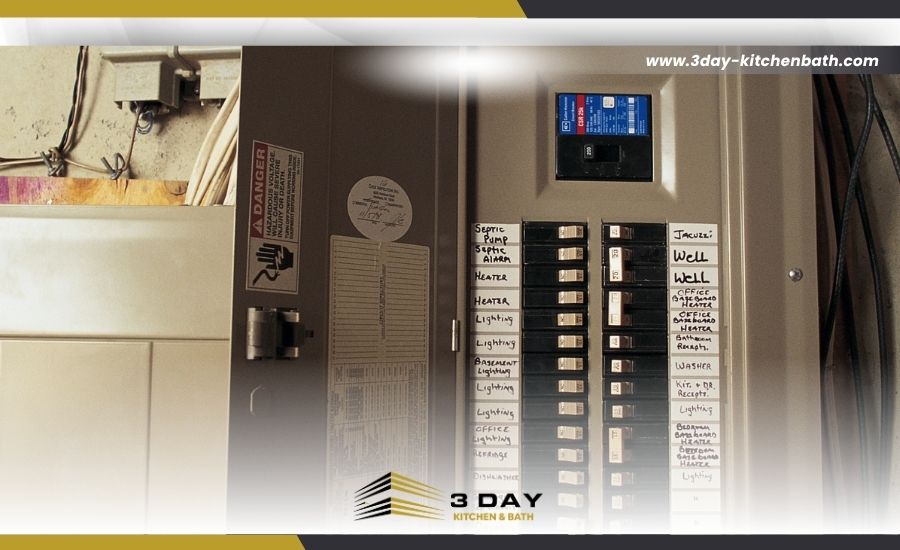
An attached ADU can increase demand on your home's water, electrical, gas, and sewer systems. Depending on the project, you may share existing service lines or install separate utility meters.
Shared utility connections often reduce upfront construction costs. However, separate submeters may help if you plan to rent the unit and want to track tenant utility use more accurately.
You may also need to upgrade the main electrical panel if the new unit includes major appliances, heating, cooling, or dedicated kitchen equipment. It is also smart to check sewer lateral capacity early so plumbing issues do not appear after construction begins.
What Are the Fire Safety and Building Code Standards
Fire safety rules are especially important because an attached ADU shares part of the structure with the main home. These standards help slow fire spread and protect both living areas.
Most projects require an approved fire separation assembly along the shared wall. This often includes fire-resistant drywall, sealed wall penetrations, and proper fire-stopping materials around pipes, wires, and ducts.
Homeowners should also review safety guidance from the Office of the State Fire Marshal during the design phase. Bedrooms also need proper emergency egress, such as a window or door that opens directly outside.
Why Permits Matter Before Construction Starts
Permits confirm that your attached ADU plans meet zoning, structural, safety, and utility standards. Starting without approval can lead to fines, delays, or required demolition of unpermitted work.
A complete permit package often includes:
- Site plans
- Floor plans
- Structural details
- Utility plans
- Energy compliance documents
Submitting accurate plans early can help reduce back-and-forth with the city. Working with experienced remodeling professionals can also help homeowners avoid common mistakes, especially with layout planning, kitchen placement, bathroom access, and code requirements.
Planning Your Attached ADU With Confidence
Planning an attached ADU requires careful attention to size limits, setbacks, utilities, fire safety, and local permitting rules. A well-planned project can add useful living space, support multigenerational living, or create future rental potential without creating compliance issues.
Working with an experienced ADU contractor in San Diego can help homeowners plan the layout, permits, utilities, and code details more confidently. 3 Day Kitchen & Bath is a home remodeling contractor in San Diego CA specializing in kitchen and bathroom transformations for homeowners seeking to modernize their space. Contact our team today to start planning a compliant home expansion that fits your property and goals.
Frequently Asked Questions
What happens if I ignore attached ADU requirements?
Unpermitted work can lead to fines, delays, required corrections, or removal. It can also create liability issues during resale or rental use.
Do independent living spaces require a full kitchen?
Yes. A legal ADU usually needs permanent cooking, sanitation, sleeping, and living areas to pass local inspection.
Can property owners rent attached ADUs short term?
Short-term rental rules depend on the city. Many areas limit ADUs to long-term tenants, so check local rules first.
How do I legalize an older unpermitted addition?
You may need plans, permits, inspections, and corrections. Some cities offer programs to help owners legalize older spaces.
Will building an attached ADU increase property taxes?
Yes, new construction may trigger a partial reassessment based on added value, but it usually does not reassess the entire home.

3 Day Kitchen & Bath
10620 Treena St Suite 230,
San Diego, CA 92131
Recent Posts
-
8 Signs It's Time to Remodel Your Kitchen
Sep 08, 2026