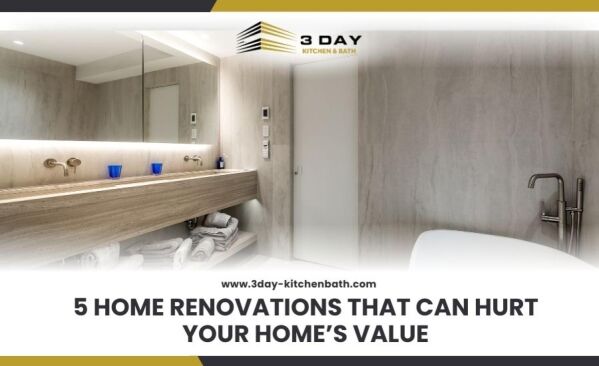
While homeowners often assume every upgrade adds equity, the reality is that specific renovations that hurt home's value can actually alienate buyers and lower your resale price. This disconnect often happens when functional obsolescence sets in, meaning the changes made render the home less desirable than the average property in the neighborhood. In this guide, we break down the specific home renovations that decrease property value to prevent expensive errors and protect your long-term wealth.
- What Renovations Often Lower Home Value?
- Top Projects That Negatively Impact Resale
- 1. Reducing the Bedroom Count
- Why it Hurts Value
- 2. Removing the Only Bathtub
- Why it Hurts Value
- 3. Swimming Pools (The High-Maintenance Amenity)
- Why it Hurts Value
- 4. Hyper-Personalized "Hobby" Rooms
- Why it Hurts Value
- 5. The "Over-Improved" Renovation
- Why it Hurts Value
- Which Renovations Actually Increase Home Value?
- Avoid Renovations That Hurt Home Value
- Frequently Asked Questions
- What renovations lower home value?
- Why it Hurts Value
- Is converting a bedroom to a closet a bad idea?
- Why it Hurts Value
- Does removing a bathtub hurt resale value?
- Why it Hurts Value
- What home improvements do buyers hate?
- Why it Hurts Value
- Is it bad to be the most expensive house in the neighborhood?
- Why it Hurts Value
What Renovations Often Lower Home Value?
Understanding the difference between a risky upgrade and a safe bet is crucial for protecting your financial investment. The chart below outlines the most common home improvements to avoid alongside smarter alternatives that appeal to a wider range of buyers
| Renovation Mistake | Return on Investment (ROI) | Why It Hurts Value | Better Alternative |
| Reducing Bedroom Count | High | Lowers "Comparable" Bracket | Maintain the neighborhood standard layout |
| Removing Only Tub | High | Alienates Family Buyers | Install a Tub/Shower Combo |
| Swimming Pools | Med/High | Maintenance Liability | Usable Patio or Landscaping |
| Niche Hobby Rooms | Medium | "Project" for Buyers | Flexible Furniture/Decor |
| Over-Improving | High | Capped by Neighbors | Match Neighborhood Finishes |
Top Projects That Negatively Impact Resale
While personalizing your living space is part of the joy of homeownership, certain structural changes can severely limit your property's future marketability. It is essential to weigh the immediate benefits of these updates against the long-term risk of illegal conversions or layout changes that narrow your potential buyer pool.
1. Reducing the Bedroom Count
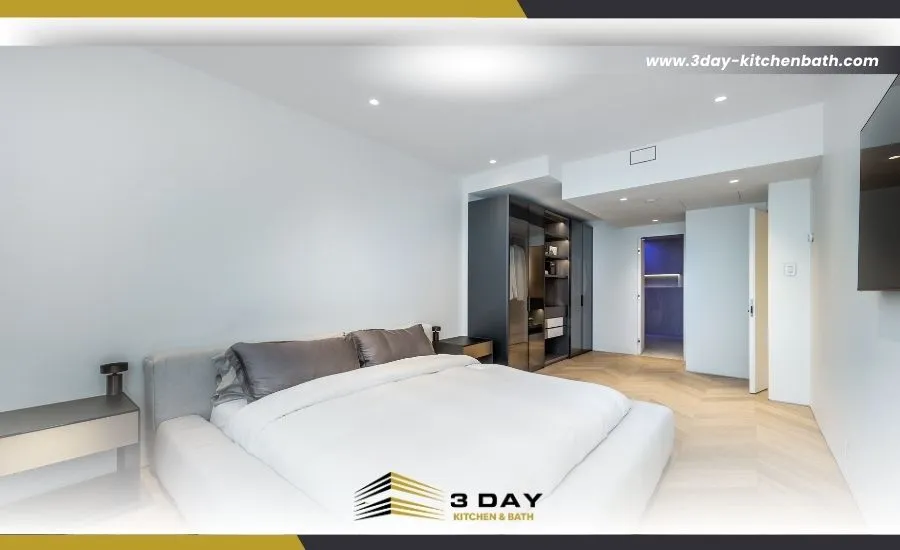
Knocking down walls to combine two smaller bedrooms into one massive master suite might sound luxurious, but it is often a financial mistake. While many homeowners want a larger suite, this modification fundamentally changes how the home is categorized in the market.
Why it Hurts Value
Real estate appraisals rely heavily on specific room counts to determine market value, and altering this baseline creates a mismatch with market comparables. Before you demo a wall, consider how these factors negatively impact your equity:
- Appraisal Drop: A 3-bedroom home is valued differently than a 4-bedroom home, meaning you immediately lose potential equity.
- Buyer Limitation: Eliminating a bedroom restricts the buyer pool, particularly for growing families who need separate rooms for children.
Avoid reducing the bedroom count below the neighborhood average.
2. Removing the Only Bathtub
In the pursuit of a spa-like bathroom, many homeowners rip out the only tub to install a large, luxury walk-in shower. While showers are popular, removing the only bathing option is a critical error.
Why it Hurts Value
While walk-in showers are a popular trend in modern design, removing the only bathtub in the house is a critical functional error that creates weird layouts and limits usability. This decision often backfires when listing the home for sale for the following reasons:
- Family Alienation: This alienates families with young children (who require tubs) and significantly shrinks the potential market for the home.
- Market Expectation: A property generally needs at least one tub to retain full market value.
Before changing the layout, evaluate the bathroom remodel cost associated with keeping the existing tub versus moving plumbing lines to ensure the budget makes sense.
3. Swimming Pools (The High-Maintenance Amenity)
Many homeowners dream of a backyard oasis, but installing an expensive in-ground pool solely for investment purposes is rarely a winning strategy.
Why it Hurts Value
Homeowners often ask, "Do swimming pools add value?" but the answer is complicated because the majority of buyers view them as a significant financial burden rather than a selling point. The negative impact on resale value stems from these practical concerns:
- Liability & Upkeep: Many buyers view pools as a liability and a maintenance headache rather than a luxury.
- ROI Reality: The return on investment is rarely positive in the majority of markets due to high upkeep costs.
Be aware that pools reduce usable yard space for other activities, such as gardening or play areas.
4. Hyper-Personalized "Hobby" Rooms
Permanent conversions for niche hobbies, such as soundproof recording studios, built-in darkrooms, or wine cellars that replace pantries, can be detrimental.
Why it Hurts Value
Converting a functional living space into a permanent area for a niche interest forces future buyers to calculate the cost of reversing your work. This type of bold personalization hurts resale potential because it creates immediate obstacles for the average person:
- Demolition Cost: Buyers see these as "projects" they have to pay to fix, rather than features they can use immediately.
- Niche Appeal: Bold personalization limits the home's appeal to a very small segment of the market.
Keep bold personalization limited to furniture and decor rather than structural changes.
5. The "Over-Improved" Renovation
This occurs when a homeowner installs high-end luxury finishes (like a chef's kitchen) in a modest starter home.
Why it Hurts Value
Over-improving a house with high-end finishes that far exceed the quality of neighboring homes creates an imbalance that the local market cannot support. This financial ceiling limits your return on investment due to these market realities:
- The Ceiling: Being the most expensive house on the block means you are capped by lower-priced comparables.
- Diminishing Returns: You rarely recoup the cost of premium materials if the neighborhood standard is mid-range.
It is crucial to check the historical ROI of home improvements to determine if high-end finishes will actually yield a return in your specific neighborhood.
Which Renovations Actually Increase Home Value?
Instead of risking capital on home improvements to avoid, focus on improvements that historically offer a proven return on investment by prioritizing function and broad appeal. These upgrades respect the neighborhood standard while ensuring your home remains competitive and desirable in the broader market:
- Tub/Shower Combos: Installing a modern tub/shower combination ensures you cater to both bath-lovers and families without sacrificing the space needed for a standalone shower.
- Usable Outdoor Living: Building a patio or deck creates a low-maintenance entertainment zone that adds usable square footage without the liability and upkeep costs of a swimming pool.
- Flexible Layouts: Keeping rooms versatile allows buyers to envision their own needs (like a home office or nursery) rather than forcing a niche hobby room on them.
- Neighborhood-Appropriate Finishes: selecting materials that match the quality of comparable homes ensures you do not overspend on luxury items that the local market cannot support.
- Kitchen Refreshes: Updating countertops and cabinets modernizes the space without the cost of a full gut renovation.
- Bathroom Updates: Installing new vanities and improved lighting enhances aesthetics and function without altering the plumbing layout.
Avoid Renovations That Hurt Home Value
Your home serves as both a personal sanctuary and a significant financial asset, requiring a careful balance between customization and market reality. By avoiding functional obsolescence and over-improvement, you can enjoy your space today while protecting your equity for tomorrow. At 3 Day Kitchen & Bath, we act as your trusted advisor to help you navigate these choices and deliver high-value home remodeling in San Diego that stands the test of time.
Frequently Asked Questions
What renovations lower home value?
The most common culprits include reducing the number of bedrooms, removing the only bathtub, installing high-maintenance pools, bold personalization, and over-improving for the neighborhood.
Is converting a bedroom to a closet a bad idea?
Yes, because real estate value is heavily tied to the number of bedrooms; reducing the count lowers your appraisal value.
Does removing a bathtub hurt resale value?
Yes, removing the only tub alienates families with young children and significantly shrinks the potential market for the home.
What home improvements do buyers hate?
Buyers typically dislike high-maintenance items like pools, extensive landscaping, and "weird layouts" resulting from bad renovations.
Is it bad to be the most expensive house in the neighborhood?
Generally, yes, because the most expensive house has the hardest time appreciating, as it lacks higher-priced comparables to pull its value up.

3 Day Kitchen & Bath
10620 Treena St Suite 230,
San Diego, CA 92131
Recent Posts
-
Where to Start House Renovation for a Smooth Remodel
Feb 12, 2026 -

Does Adding An ADU Increase Property Value
Feb 11, 2026