
Choosing between prefab ADU vs stick built construction can feel overwhelming for many homeowners. Each method has advantages, but the real differences show up in cost, design flexibility, financing, and long-term property value.
This guide breaks down both options clearly and includes helpful resources such as ADU sizes to support your decision.
Prefab units often appear faster and simpler, while stick-built projects offer customization and stronger financing options. Understanding how each method works and the hidden factors behind pricing and installation will help you choose the best approach for your property.
- Whatâs the Difference Between Stick-Built and Prefab Construction
- Stick-Built Construction
- Prefab Construction
- Whatâs The True Cost of Prefab ADUs
- Additional Site and Delivery Expenses
- The Cost Difference Between Stick-Built and Prefab
- How Stick-Built Financing Works
- Why Prefab Units Face Funding Obstacles
- Project Timelines and What to Expect
- Factory Delays and Permit Waiting
- Continuous Progress With Stick-Built Projects
- Site Access and Installation Limitations
- Delivery and Crane Requirements
- Why Stick-Built Works on Almost Any Lot
- Impact on Resale Value and Property Aesthetics
- Design Flexibility and Visual Integration
- Prefab Architectural Constraints
- Making the Right Choice for Your ADU Project
- Frequently Asked Questions
- Do prefab ADUs last as long as stick-built homes?
- Can I finance a prefab ADU through a construction loan?
- Do prefab ADUs require permits?
- How much does crane rental cost for prefab installation?
- Can a prefab design be customized?
What’s the Difference Between Stick-Built and Prefab Construction
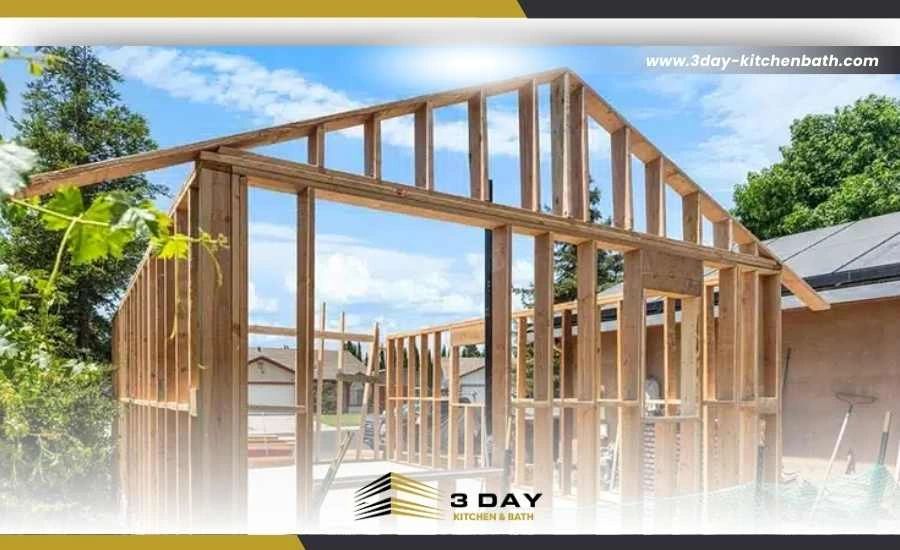
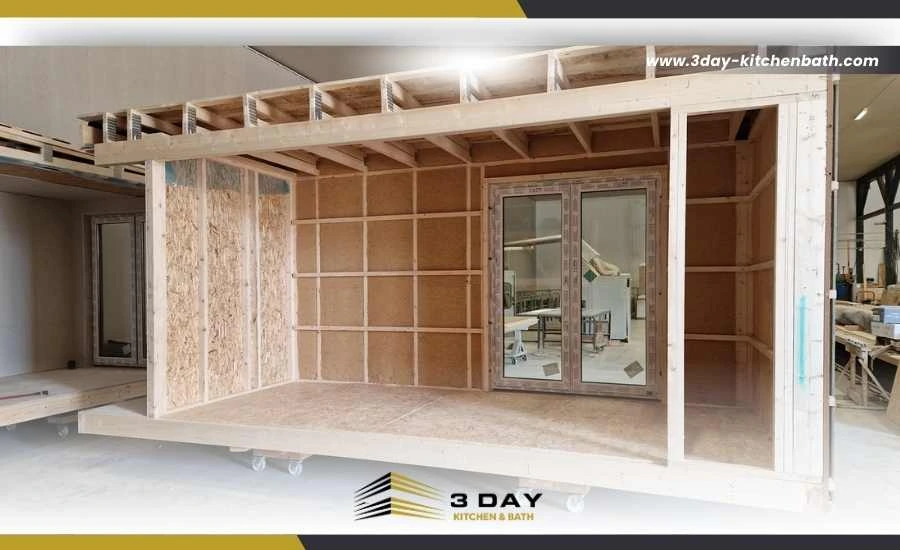
Stick-built structures go up entirely onsite, while prefab units are partially or fully assembled in a factory and transported to your property.
Stick-Built Construction
Crews build your ADU from raw lumber on your land, allowing the structure to fit your lot’s specific shape, slope, and style.
Prefab Construction
Prefab units generally fall into two categories:
-
Modular: Factory-built boxes craned into place
-
Panelized: Flat walls assembled onsite
Manufactured homes differ from these systems because they are built under federal HUD codes, which classify them as mobile housing and limit their placement, customization, and long-term financing options compared to traditional or modular ADUs.
What’s The True Cost of Prefab ADUs
Prefab often looks cheaper at first glance, but the full project cost usually matches or exceeds a custom build once site preparation and logistics are added. When comparing modular ADU cost vs custom build, the initial savings can disappear quickly once all required expenses are included.
Factory pricing often excludes key components such as:
-
Foundation and anchoring
-
Utility trenching
-
Crane setup and operation
These essentials must be added on top of the advertised base price.
Additional Site and Delivery Expenses
Many backyards require special planning and permits for delivery. For example, larger units may need traffic control plans to safely block streets, and crane rentals can reach several thousand dollars per day, depending on access and lifting requirements.
The Cost Difference Between Stick-Built and Prefab
Financing is often easier for traditional construction because banks rely on predictable release schedules that track onsite progress.
How Stick-Built Financing Works
Banks use a staged draw schedule. Funds are released only after each construction phase is inspected, helping protect both the homeowner and the lender. bickett naked casal22
Why Prefab Units Face Funding Obstacles
Factories often require deposits of 50% or more upfront. Banks rarely release funds for materials stored offsite, which limits financing options and may force homeowners to use personal savings, credit, or specialized construction loans.
Navigating the specific loan products available for these projects can be complex. Watch this guide to explore financing options, including construction and renovation loans, that help you fund your ADU:
How to Finance an ADU Without Tapping Your Home Equity
Project Timelines and What to Expect
Prefab construction reduces onsite noise, but the overall timeline is not always shorter than a stick-built project.
Factory Delays and Permit Waiting
Backlogs at factories can cause months of waiting before your unit is even built. Permit timelines remain the same for both prefab and custom construction.
Continuous Progress With Stick-Built Projects
Once permits are issued, work begins immediately on-site. Crews frame, run utilities, and complete finish work step-by-step, giving you steady and visible progress throughout the project.
Site Access and Installation Limitations
Property layout plays a major role in deciding whether prefab is even possible.
Delivery and Crane Requirements
Large prefab modules need clear access for oversized trucks and cranes. Narrow streets, overhead powerlines, and large trees can make installation impossible on certain lots.
Why Stick-Built Works on Almost Any Lot
Materials can be carried through a standard side gate. This makes stick-built construction ideal for tight lots, older neighborhoods, sloped yards, or homes with limited street access.
Impact on Resale Value and Property Aesthetics
Custom ADUs generally appraise higher because they can be designed to match the architecture of the main home.
Design Flexibility and Visual Integration
Stick-built ADUs can mirror your home’s roofing, exterior finishes, window styles, and overall architectural character. This creates a cohesive look that enhances long-term property value.
Prefab Architectural Constraints
Shipping limitations often force prefab homes to use:
-
Box-shaped layouts
-
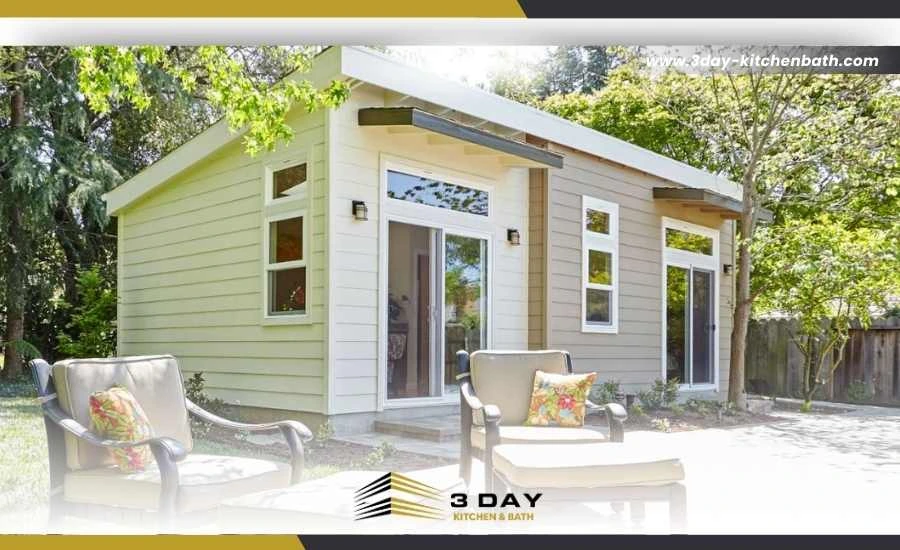
Flat or low-slope roofs
-
Limited exterior customization
These characteristics can create a “boxy” appearance that doesn’t blend well with traditional or older homes.
Making the Right Choice for Your ADU Project
Both prefab and stick-built ADUs offer clear advantages, but the best fit depends on your property layout, budget, and the level of customization you expect. Stick-built construction gives you full design control and straightforward financing, while prefab units offer faster assembly but require careful planning for delivery and site access.
If you want an ADU that suits your property and supports long-term value, 3 Day Kitchen & Bath can guide you through the entire process. Working with an experienced ADU contractor ensures your project is planned correctly, built with precision, and seamlessly integrated with your home.
Frequently Asked Questions
Do prefab ADUs last as long as stick-built homes?
Yes. Modular prefab ADUs follow local building codes and should last just as long. Manufactured homes built to HUD code may not retain value as well.
Can I finance a prefab ADU through a construction loan?
It is challenging. Most lenders only release funds for work completed onsite, which conflicts with large factory deposits.
Do prefab ADUs require permits?
Yes. You still need permits for foundation work, utility hookups, grading, and site inspections.
How much does crane rental cost for prefab installation?
Standard cranes start around $3,000 per day and can increase significantly for larger or more complex setups.
Can a prefab design be customized?
Customization is usually limited to preset options. Stick-built ADUs offer complete flexibility.

3 Day Kitchen & Bath
10620 Treena St Suite 230,
San Diego, CA 92131
Recent Posts
-
Where to Start House Renovation for a Smooth Remodel
Feb 12, 2026 -
Does Adding An ADU Increase Property Value
Feb 11, 2026