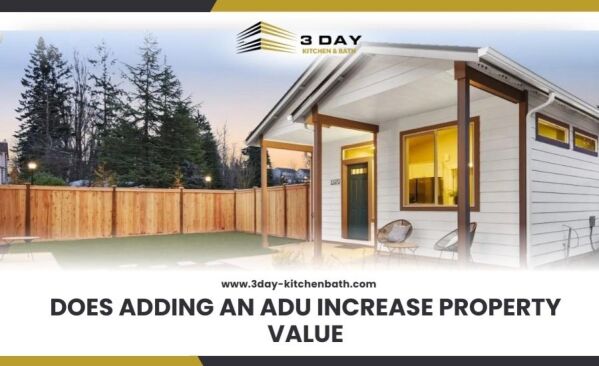
Does adding an ADU increase property value? In many markets today, the answer depends on your lot size, local regulations, and how buyers view rental income. Many homeowners start by asking one basic question: What is an ADU?
An ADU adds a second living space on the same property, which can create rent and support multi-generational living. In many markets, buyers see this as a practical way to offset higher mortgage costs and make a home more flexible.
- Why ADU Valuation Feels More Predictable Now
- How Professionals Estimate ADU Value in 2026
- Sales comparison approach
- Income approach
- Cost approach
- Picking the Right ADU Type for Your Property
- State Laws That Shape the Market
- Turning ADUs Into Long-Term Equity
- Frequently Asked Questions
- Does adding an ADU increase property value right away?
- What features help an ADU appraise higher?
- Do I need separate utilities for an ADU?
- What is the fastest type of ADU to build?
- How can I avoid delays in the permit process?
Why ADU Valuation Feels More Predictable Now
ADU valuation is more predictable today thanks to the Uniform Appraisal Dataset (UAD) 3.6. This system gives appraisers a clear, consistent way to document ADUs, reducing hidden details and making lender reviews easier.
Key details are now captured in structured fields, such as:
- Whether the unit functions independently
- Kitchen and living features
- Separate entrance and overall utility
Better data quality supports more consistent lender reviews and helps close the old “appraisal gap,” where construction costs and appraised value often didn't match. Understanding ADU appraisal value also shows how local build decisions can influence overall property valuation.
How Professionals Estimate ADU Value in 2026
Appraisers in 2026 use local sales, rental potential, and construction costs to determine an ADU's contribution to a property's value. The focus is on both resale impact and income potential.
Sales comparison approach
Appraisers look at recent sales of similar homes, then adjust for differences. ADU sales are more common now, so appraisers can often find better matches than before. They usually adjust for the unit type, size, layout, privacy, and whether the ADU feels truly separate from the main home.
Income approach
Many buyers and investors care about cash flow, not just resale value. The income approach looks at expected rent, operating costs, and a market cap rate to estimate value. Simple rules of thumb can help, but strong estimates use realistic expenses like maintenance, insurance, and vacancy.
Cost approach
The cost approach helps set a baseline for new builds. It compares the value to what it would cost to build the ADU today, then accounts for depreciation. This matters when construction costs stay high and nearby sales do not fully reflect current build prices.
Here's a quick video that explains capitalization rate (cap rate) and how investors use it to analyze rental property value:
Picking the Right ADU Type for Your Property
Your build type changes cost, timeline, privacy, and resale impact. Use types of ADUs as a reference when you choose a layout that fits your lot and goals.
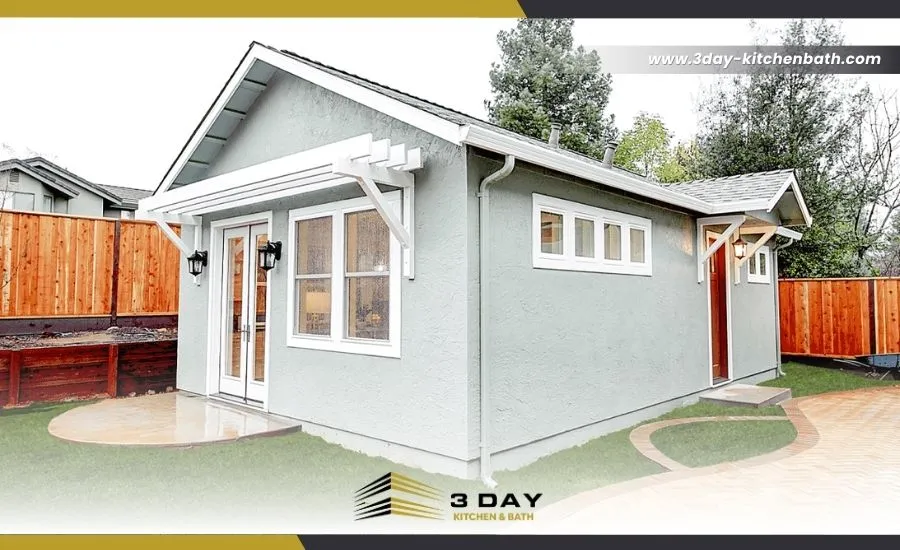
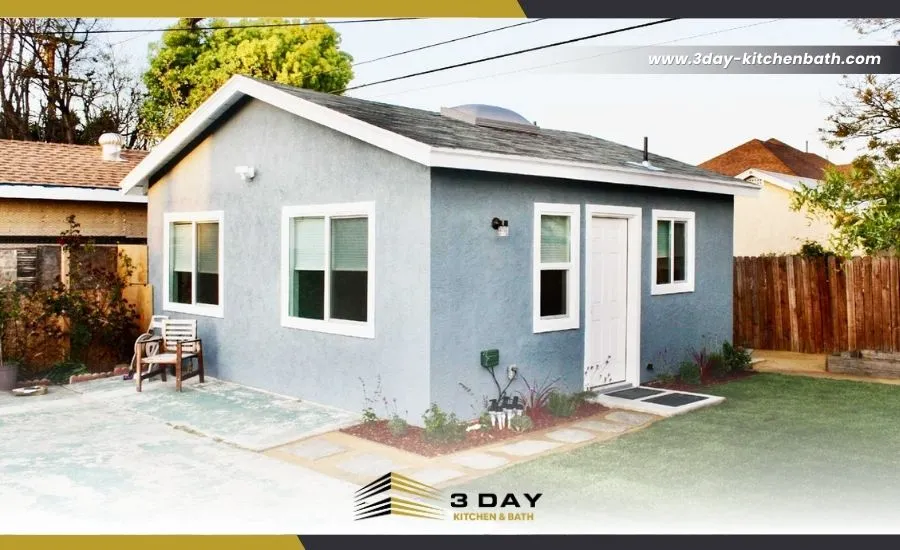
- Detached ADU: A separate backyard unit with strong privacy and rental appeal, but a higher cost.
- Attached ADU: An addition connected to the main home, often cheaper than detached, but less private.
- Conversion ADU: A garage, basement, or attic conversion that often finishes faster and costs less.
- Junior ADU: A smaller unit inside the home's footprint, often best for family use depending on local rules.
State Laws That Shape the Market
State law plays a big role in keeping ADU permits more predictable. Rules tied to unit size, livable area definitions, and approval timelines can affect cost and speed. Some updates also support paths to legalize older units when they meet health and safety standards, which helps turn “off-the-books” space into recognized property value.
Turning ADUs Into Long-Term Equity
An ADU can raise a home's value and improve monthly cash flow at the same time. Better appraisal reporting makes ADU features easier to document, and clearer rules can reduce permit surprises. For homeowners who want a clean plan from design to build, 3 Day Kitchen & Bath helps align layout, permitting, and finish choices so the ADU supports long-term equity.
If you want to connect ADU planning with broader property upgrades, home remodeling in San Diego can help you plan improvements that lift the value of the full property, not just the new unit.
Frequently Asked Questions
Does adding an ADU increase property value right away?
Often yes. In strong markets, buyers pay more for legal rental income and flexible space that supports family or guests.
What features help an ADU appraise higher?
Private entry, a real kitchen, good natural light, and durable finishes help appraisers support higher contributory value.
Do I need separate utilities for an ADU?
Not always. Shared utilities can work, but separate metering may boost privacy, simplify billing, and reduce disputes later.
What is the fastest type of ADU to build?
Conversions like garages or basements often finish faster because the shell exists, which reduces framing time and permits.
How can I avoid delays in the permit process?
Use code-ready plans, confirm setbacks early, and respond fast to plan-check notes so your permit review keeps moving smoothly.

3 Day Kitchen & Bath
10620 Treena St Suite 230,
San Diego, CA 92131
Recent Posts
-
Where to Start House Renovation for a Smooth Remodel
Feb 12, 2026 -

5 Home Renovations That Can Hurt Your Home’s Value
Jan 04, 2026