What is the Difference Between a Contractor and a Design Builder?
- General Contractor (Design-Bid-Build): This is the traditional model where you hire an architect first to draw plans, and then you hire a separate contractor to build them.
- Design Build Firm: This is a single entity that handles the entire project from the initial concept and budget to the final construction under one roof.
| Feature | General Contractor (Design-Bid-Build) | Design Build Firm |
| Point of Contact | Multiple (Fragmented) | Single (Unified) |
| Responsibility | Split between Architect & Builder | One Team |
| Communication | Gaps likely (Owner mediates) | Streamlined |
| Timeline | Slower (Linear steps) | Faster (Parallel steps) |
| Cost Efficiency | Variable (Bidding wars) | Integrated (Budget-focused) |
The General Contractor Model (Design-Bid-Build)
- The Process: You must complete the design phase with an architect, take those blueprints to multiple contractors for bids, and then construction begins.
- The Structure: You act as the middleman between the architect who creates the vision and the separate contractor who builds the reality.
| Pros | Cons | ||
|---|---|---|---|
| Established Method | This is an established method that many people are used to. | Communication Gaps | If the drawings are not perfect, the builder may struggle to execute the plan, which often leads to disputes. |
| Defined Roles | There is a clear separation of roles between the person designing the space and the person building it. | Slower Timeline | The bidding process pauses momentum, and redesigns are frequent if the contractor's bids come in higher than expected. |
| Homeowner Burden | You are responsible for acting as the middleman to mediate between the architect and the builder. | ||
The Design Build Model
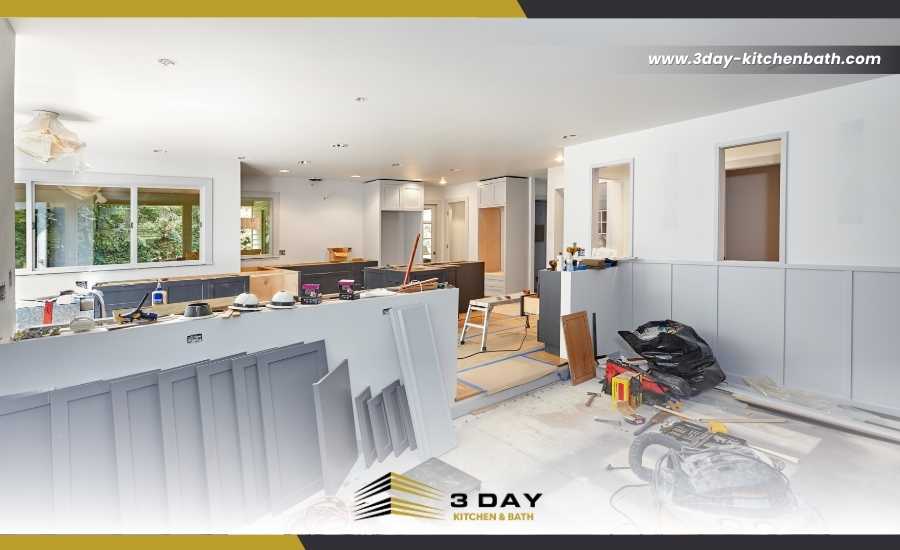
- The Process: Design and construction planning happen simultaneously, which means materials are selected and schedules are built while the design is being finalized.
- The Structure: You hire one team with a single point of contact, meaning the designer and the builder work for the same company.
| Pros | Cons | ||
|---|---|---|---|
| Streamlined Communication | There are no “he said, she said” disputes because everyone works for the same team and is on the same page. | Fewer Checks and Balances | Since the designer and builder are on the same team, you do not have an independent architect to advocate for you if a dispute arises. |
| Faster Timeline | The phases of the project overlap, which significantly reduces the total time it takes to complete your renovation. | Trust Is Required | You must vet the company thoroughly because you are putting the entire project in one set of hands. |
| Accountability | The firm is responsible for both the design quality and the build quality, so if there is a mistake, they fix it. | ||
| Cost Efficiency | The design is tailored to fit your financial goals from day one, which prevents the shock of high bids and ensures cost efficiency throughout the project. | ||
| Budget Certainty | Unlike the bidding process, which often brings surprises, the budget is established early to avoid designing a project that costs too much to build. | ||
| Project Management | Having a single point of contact simplifies your life and removes the stress of managing a Rolodex of subcontractors. | ||
Make the Right Choice for Your Remodel
Frequently Asked Questions
Is design build better than hiring an architect?
Is design build more expensive?
What are the advantages of a design build firm?
What is the difference between a contractor and a design builder?
When should I use a design build company?

3 Day Kitchen & Bath
10620 Treena St Suite 230,
San Diego, CA 92131
Recent Posts
-

Where to Start House Renovation for a Smooth Remodel
Feb 12, 2026 -

Does Adding An ADU Increase Property Value
Feb 11, 2026 -

5 Home Renovations That Can Hurt Your Home’s Value
Jan 04, 2026