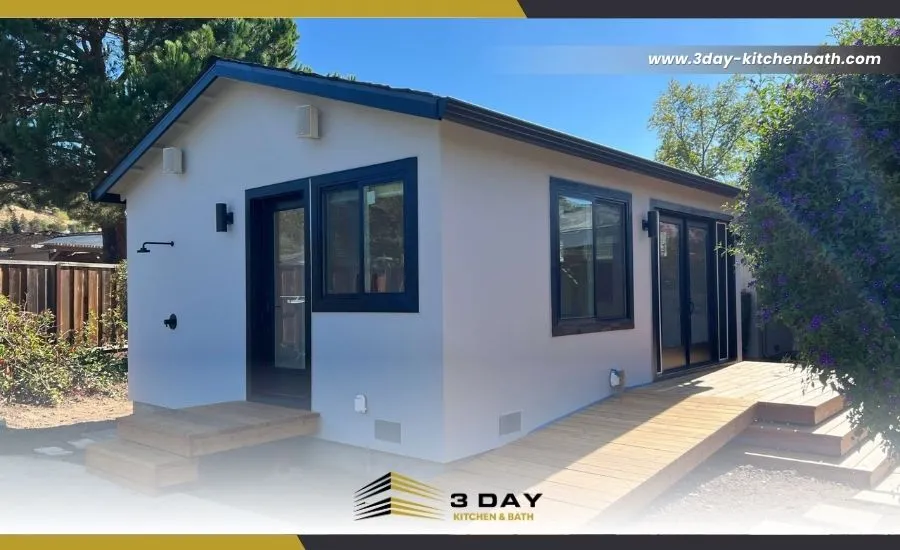
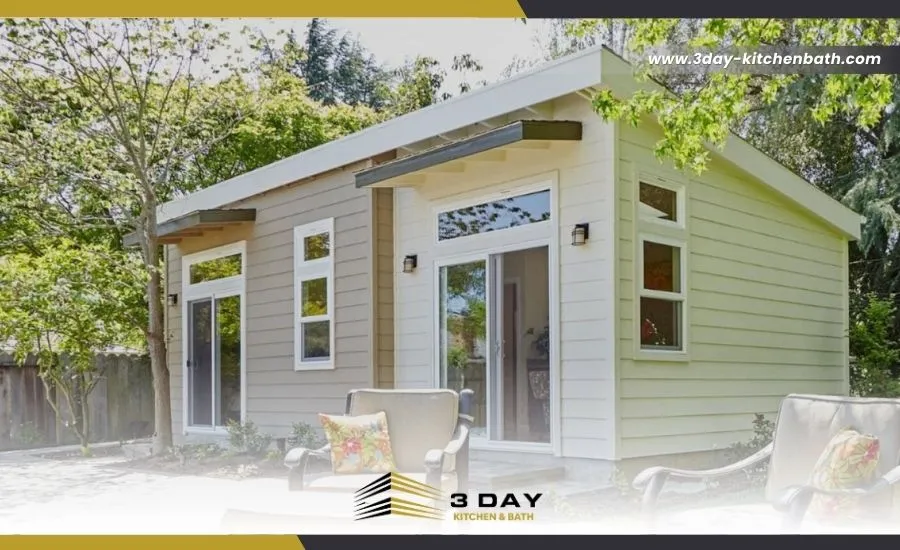
Building a backyard unit can seem easy until you face zoning rules. Many homeowners get stuck when local requirements feel confusing or restrictive. ADU zoning laws set rules for setbacks, height, size, parking, and permits. Recent state laws prevent cities from denying compliant ADUs based on subjective opinions about neighborhoods. Knowing these protections can save you months of delays and thousands in fees. This guide breaks down key rules, size strategies, and approval steps so you can confidently move forward with your backyard project.
- Accessing State Protections for ADU Zoning Laws
- Dimensional Standards and ADU Property Line Rules
- Professional Coordination for ADU Compliance
- Maximum Size Limits and ADU Cost Efficiency
- Secure Your Property Investment with Proper ADU Knowledge
- Frequently Asked Questions
- What are the typical zoning requirements for an ADU?
- How close to the property line can I build an ADU?
- What is the maximum size allowed for an ADU?
- Do ADUs require additional parking spaces?
- Can I build an ADU if I have a small lot?
Accessing State Protections for ADU Zoning Laws
Zoning is no longer a matter of opinion or city council approval when a project meets objective standards. You must focus on the rigid framework of state mandates that force local planners to say yes:
- State Preemption: This legal tool prevents cities from enforcing density limits that conflict with state ADU law on residential lots.
- Ministerial Review: This process ensures your application is handled by a clerk checking boxes rather than a public hearing.
- Objective Standards: Cities can only enforce measurable rules like height and material types instead of subjective neighborhood feel.
Dimensional Standards and ADU Property Line Rules
Modern zoning laws regulate the specific footprint and height of your unit to ensure it fits safely on your lot. These rules determine exactly how close you can build to your property boundaries and how high your ceilings can go:
- Four-Foot Setbacks: Most modern statutes allow you to build as close as four feet to your side and rear property lines.
- The Eight Hundred Square Foot Shield: State laws often prevent cities from using lot coverage rules to block ADUs up to eight hundred square feet, subject to building and fire code requirements.
- Height Guarantees: You are generally allowed a minimum height of sixteen feet, with limited situations allowing additional height under state law.
Professional Coordination for ADU Compliance
Expert help is required for technical compliance, while cosmetic choices remain in your hands. This table breaks down who handles each phase of the project.
| Project Phase | Primary Responsibility | Critical Risk |
| Site Survey | Civil Engineer | Encroaching on utility easements |
| Structural Plans | Architect/Engineer | Permit rejection or safety failure |
| Permit Filing | ADU Specialist | Costly multi-month delays |
| Interior Finishes | Homeowner/DIY | Lower rental appeal if poorly done |
Maximum Size Limits and ADU Cost Efficiency
The size of your unit directly dictates the government fees you will pay before construction even starts. Choosing the right square footage can trigger automatic exemptions from the most expensive development taxes:
- Impact Fee Exemption: Units smaller than 750 square feet are often exempt from fees for parks, schools, and traffic.
- Capacity Charges: Building a smaller footprint may reduce the likelihood of needing a new water meter or sewer connection, depending on the utility provider.
- Tax Assessment: Smaller units generally result in a lower increase to your property tax bill compared to massive additions.
Secure Your Property Investment with Proper ADU Knowledge
The window for building an ADU is wider than ever, but the complexity of the fine print remains. By prioritizing state-mandated size limits and respecting the four-foot setback rule, you can qualify for a faster, streamlined approval from your local building department. Success depends on moving past local pushback and leaning on the specific legal protections designed to help homeowners create more housing.
Focus on a design that stays under (not equal to) seven hundred fifty square feet to keep your upfront costs low and your long-term ROI high. At 3 Day Kitchen & Bath, we specialize in navigating these complex regulatory shifts to ensure your project moves from blueprint to reality without unnecessary delays.
Don't get stuck in red tape. Connect with our professional ADU contractors in San Diego to check the feasibility of your lot.
Frequently Asked Questions
What are the typical zoning requirements for an ADU?
Zoning requirements usually include specific setbacks from property lines, maximum building heights, and floor area ratios. Most states now mandate that these requirements be objective and ministerial to prevent cities from blocking construction.
How close to the property line can I build an ADU?
In many jurisdictions, state law allows you to build as close as four feet from the side and rear property lines. If you are converting an existing structure like a garage, you may be able to build directly on the property line.
What is the maximum size allowed for an ADU?
The maximum ADU size is often capped at one thousand two hundred square feet, with some local jurisdictions applying additional limits. However, state laws typically guarantee you can build a unit of at least eight hundred square feet regardless of lot size.
Do ADUs require additional parking spaces?
Most modern ADU laws eliminate parking requirements if your property is within half a mile of public transit. Additionally, you generally do not have to replace parking if you convert an existing garage or carport.
Can I build an ADU if I have a small lot?
Yes, because state laws often prevent cities from using lot coverage or open space requirements to stop an ADU. As long as you can meet the four-foot setback and building code safety rules, a small lot is rarely a total barrier.

3 Day Kitchen & Bath
10620 Treena St Suite 230,
San Diego, CA 92131
Recent Posts
-
Where to Start House Renovation for a Smooth Remodel
Feb 12, 2026 -
Does Adding An ADU Increase Property Value
Feb 11, 2026 -

5 Home Renovations That Can Hurt Your Home’s Value
Jan 04, 2026