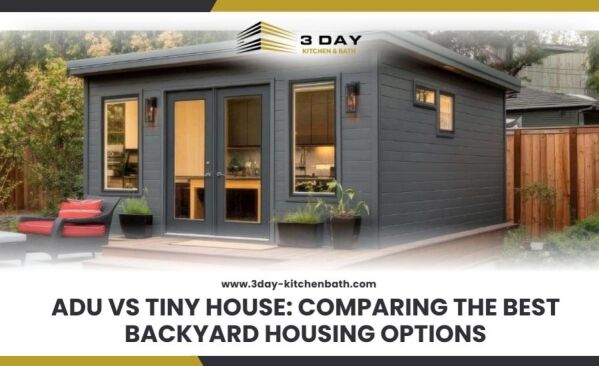
When comparing an ADU and a tiny house, you are choosing between a permanent real estate addition and a temporary structure. Start by asking a simple question: What is an ADU, and how does it differ from a tiny house?
Answering this explains how permanent foundations add lasting property value, while wheeled units offer immediate flexibility. Maximizing your backyard space creates comfortable living areas for your family. Read on to discover which backyard housing solution perfectly matches your financial goals.
- What Are the Core Differences Between an ADU and a Tiny House?
- How Do Local Regulations Affect Backyard Housing Builds?
- How Do ADUs and Tiny Houses Impact Property Taxes?
- How Do You Safely Connect Utilities for Backyard Builds?
- What Are the Next Steps For Your Backyard Expansion?
- Frequently Asked Questions
- Is a permanent foundation legally required?
- Can I place a movable home anywhere in my yard?
- Do permanent additions increase property taxes?
- How long does construction typically take?
- Can I rent out my new backyard space?
What Are the Core Differences Between an ADU and a Tiny House?
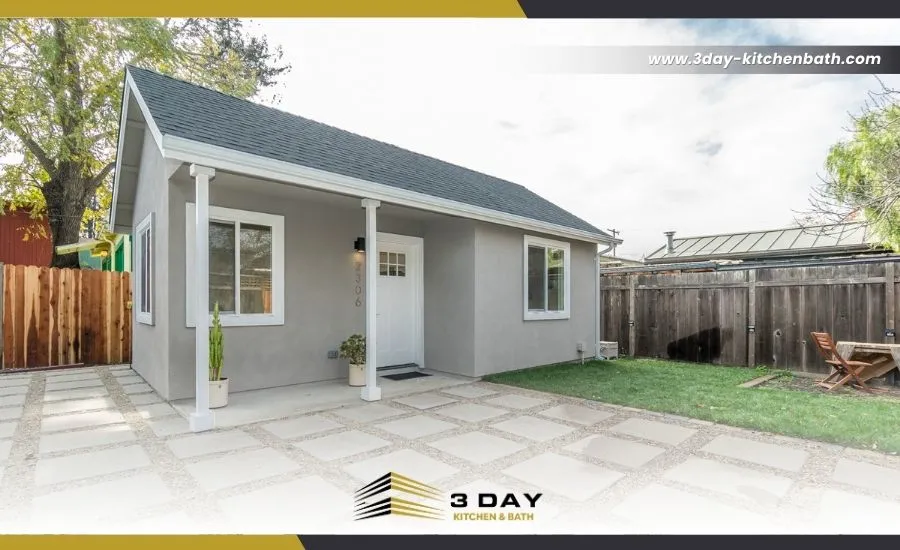
An ADU is a permanent home built securely on a poured concrete foundation. On the other hand, a movable tiny house (MTH) sits on a wheeled steel chassis, similar to a recreational vehicle (RV).
Builders follow recreational vehicle safety standards to ensure the mobile unit remains roadworthy. Permanent structures yield higher long-term financial returns, while wheeled units offer fast deployment.
It's always better to review different ADU ideas first to find the perfect layout for your unused space so you can choose the right floor plan to maximize your specific property dimensions.
How Do Local Regulations Affect Backyard Housing Builds?
Building any backyard home requires strict adherence to local zoning laws and structural safety codes. The industry standard follows national building codes to understand the baseline structural requirements for permanent backyard homes. Regional variances then dictate specific rules for your exact neighborhood.
Pay close attention to these critical municipal regulations before starting your build:
- Property Setbacks: These dictate the minimum required distances between your new structure and your property line.
- Foundation Guidelines: These specify concrete-pouring rules based on local soil conditions and seismic activity.
- Energy Efficiency Codes: These set strict regional standards for insulation materials and utility connection protocols.
Review your local zoning laws before beginning construction. Failing to secure proper permits can result in project delays, required modifications, fines, or complications during future home sales, depending on your municipality's enforcement policies.
How Do ADUs and Tiny Houses Impact Property Taxes?
In many cities, permanent foundation structures may increase your overall property value and can lead to a reassessment of the newly added square footage. The extent of any property tax adjustment depends on local assessor guidelines and state regulations.
Movable tiny houses are often classified as personal property rather than real estate. In some jurisdictions, this means they may not trigger a traditional property tax reassessment. However, tax treatment varies by location, especially if the unit is permanently connected to utilities.
Before building, consult your local county assessor's office to understand how your specific project may affect property taxes.
| Financial Factor | Permanent ADU | Movable Tiny House |
| Property Value Impact | May increase appraised home value | Typically depreciates like a vehicle |
| Property Tax Effect | May result in reassessment of added square footage | Often treated as personal property, depending on local rules |
| Primary Financing Options | Home equity loans, construction loans, or grants (if eligible) | Personal loans or RV financing |
Filing the correct municipal property upgrade forms ensures your new addition is legally recognized. Skipping this paperwork can lead to legal disputes and complicate future home sales.
How Do You Safely Connect Utilities for Backyard Builds?
Improper utility connections create severe fire risks and water damage hazards for your entire property. Hire licensed utility professionals to trench and connect your electrical wiring and plumbing lines safely.
Avoid cheap building materials that warp and fail under constant exposure to the elements. Focus on these core construction elements for a safe and durable build:
- Consult licensed structural engineers to ensure your new building withstands local soil conditions and regional weather events.
- Map out underground plumbing and electrical lines to prevent damaging existing main house connections.
- Choose weather-resistant exterior siding and roofing to prevent long-term moisture damage.
Secure all proper municipal permits before breaking ground on your property. Rushing the initial planning phase guarantees costly construction mistakes and heavily delayed move-in dates.
What Are the Next Steps For Your Backyard Expansion?
Choosing between these housing options depends entirely on your property goals and available budget. 3 Day Kitchen & Bath is a residential remodeler in San Diego, CA, specializing in kitchen and bathroom transformations for homeowners seeking to modernize their space. Contact our experienced ADU contractors in San Diego to bring your backyard vision to life safely and efficiently.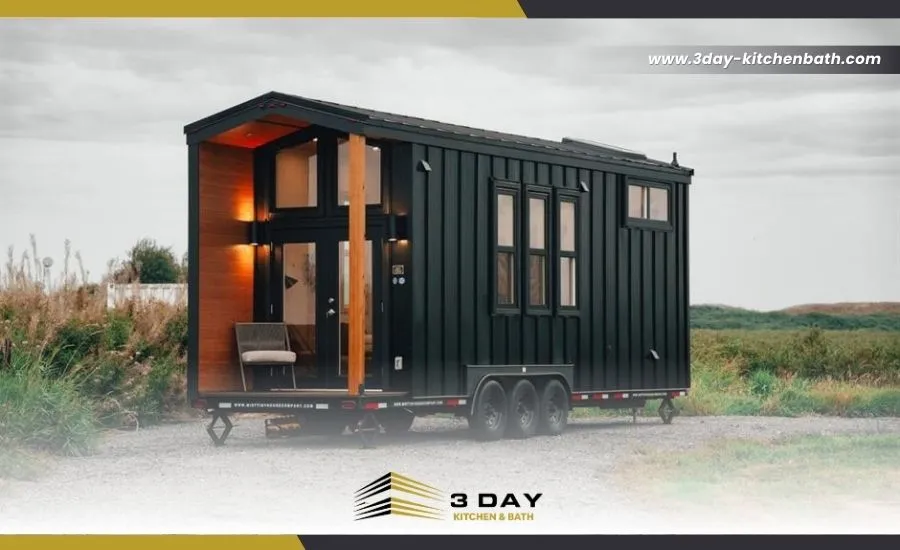
Frequently Asked Questions
Is a permanent foundation legally required?
In many cities, permanent ADUs must be built on an approved foundation system that complies with local building codes. Requirements vary by state and municipality, so it's important to confirm foundation standards with your local planning department before construction.
Can I place a movable home anywhere in my yard?
Most cities enforce setback requirements and zoning regulations that determine where structures can be placed on a property. Even movable units may be subject to local placement rules, so it's important to verify regulations with your city planning department.
Do permanent additions increase property taxes?
In many jurisdictions, adding permitted square footage may result in a reassessment of the newly constructed portion of the property. The exact tax impact depends on local assessor rules and state regulations.
How long does construction typically take?
Permanent backyard builds often take several months from initial permitting to the final city inspection. Wheeled units arrive completely prebuilt and require minimal initial setup time.
Can I rent out my new backyard space?
Rental regulations vary significantly by city and county. Some areas allow long-term rentals of permitted ADUs, while short-term rentals may be restricted or prohibited. Always review your local housing ordinances before planning to generate rental income.

3 Day Kitchen & Bath
10620 Treena St Suite 230,
San Diego, CA 92131
Recent Posts
-
Where to Start House Renovation for a Smooth Remodel
Feb 12, 2026 -
Does Adding An ADU Increase Property Value
Feb 11, 2026 -

5 Home Renovations That Can Hurt Your Home’s Value
Jan 04, 2026